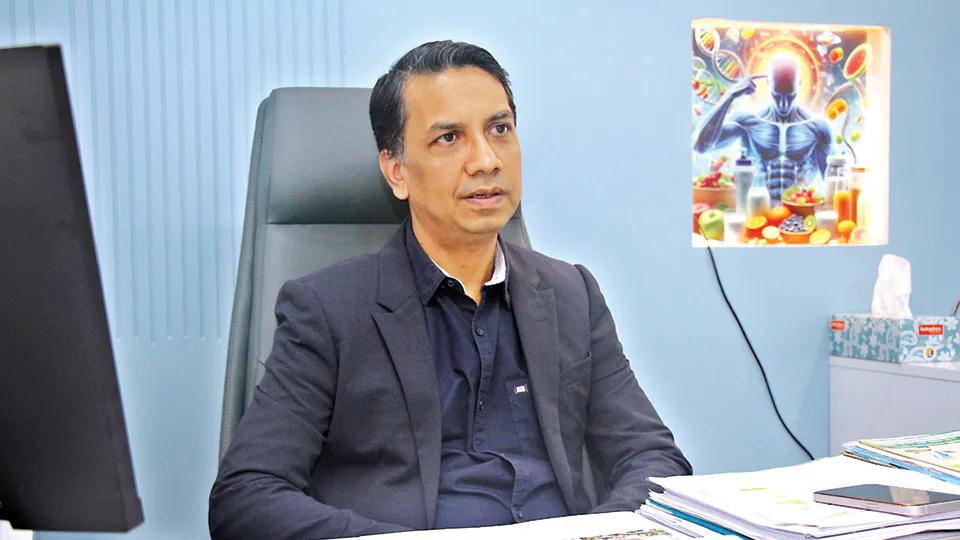


Damiang linking Bangladeshi patients to top-tier public hospitals across Shanghai


Dhaka
: Damiang Medical Technology (Suzhou) Co, Ltd, a Chinese medical assistance
company, is expanding its outreach to Bangladeshi patients, aiming to
capitalize on the country's growing demand for affordable, high-quality
healthcare abroad and the strengthening ties between Bangladesh and China.
Speaking
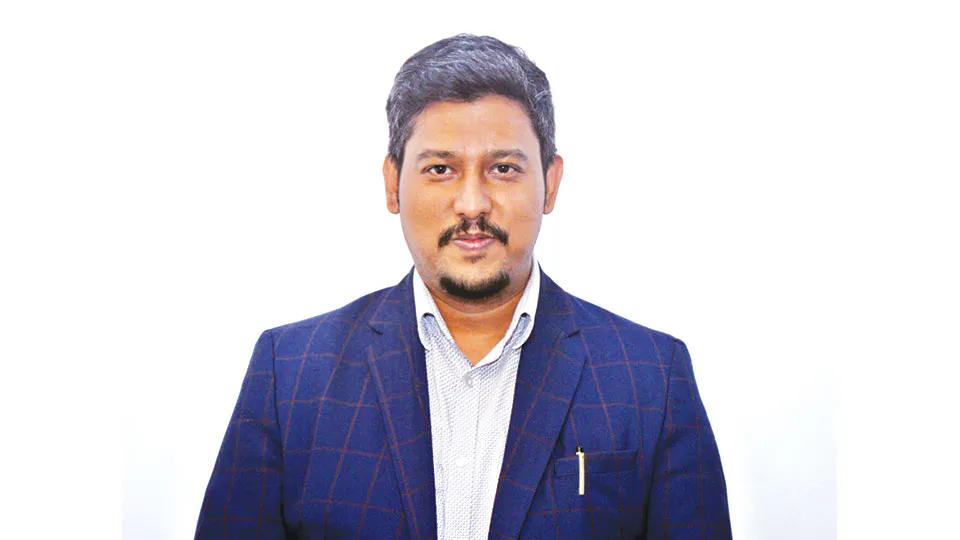
to The Bangladesh Monitor on the sidelines of Dhaka Travel Mart 2026, Dr Jack
Zhang, Founder and General Manager of Damiang, said the company was encouraged
to establish a Dhaka office after identifying strong demand for easier access
to China's advanced healthcare system.
Founded
in 2021 and headquartered in Suzhou, near Shanghai, Damiang specializes in
coordinating medical treatment for international patients across China's
Yangtze River Delta region.
Access
to leading public hospitals
Damiang
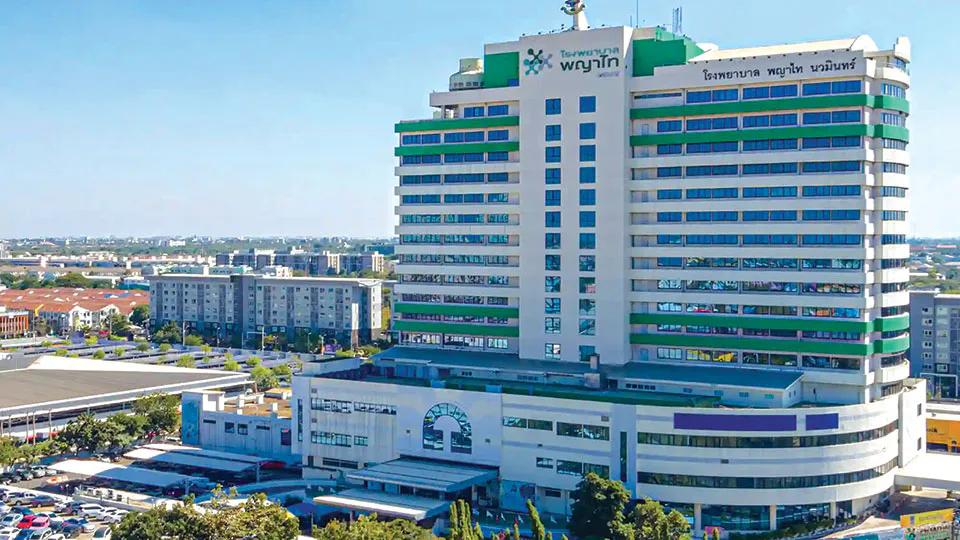
partners with several of China's leading public hospitals, including Renji
Hospital and Ruijin Hospital under Shanghai Jiao Tong University, Zhongshan
Hospital of Fudan University, and Nanjing Tianyinshan Hospital.
These
institutions specialize in areas such as oncology, cardiovascular diseases,
gastroenterology, liver surgery, endoc-rinology, reproductive medicine, and
precision medicine.
Dr
Zhang said China's public hospital system enables international patients to
access advanced treatments, including liver transplantation and CAR T-cell
therapy, at costs generally lower than many private healthcare systems in Asia.
One-stop
medical
The
company provides end-to-end support, matching patients with appropriate
hospitals and specialists, arranging medical visas, accommodation, airport
transfers, interpretation services, and travel logistics.
For
patients unable to travel immediately, Damiang also offers remote
second-opinion consultations. The company reviews patients' medical records and
imaging before coordinating with specialists to determine suitable treatment
options.
To
simplify financial arrangements, Damiang facilitates advance payments from
Bangladesh and settles hospital bills on behalf of patients, eliminating the
need to carry large amounts of cash.
Expanding
Bangladesh cooperation
Dr
Zhang said patients are free to choose any hospital in China willing to accept
their case, with Damiang assisting in coordinating treatment regardless of the
institution.
Looking
ahead, he expressed interest in expanding healthcare cooperation with
Bangladesh through physician and nurse training programs while strengthening
partnerships between the two countries.
According
to Dr Zhang, the growing number of Bangladeshi students, tourists, and business
travelers visiting China is making the country an increasingly familiar and
accessible destination for specialized medical care.