

Asia Pacific airlines post USD 12.1 billion profit for 2025

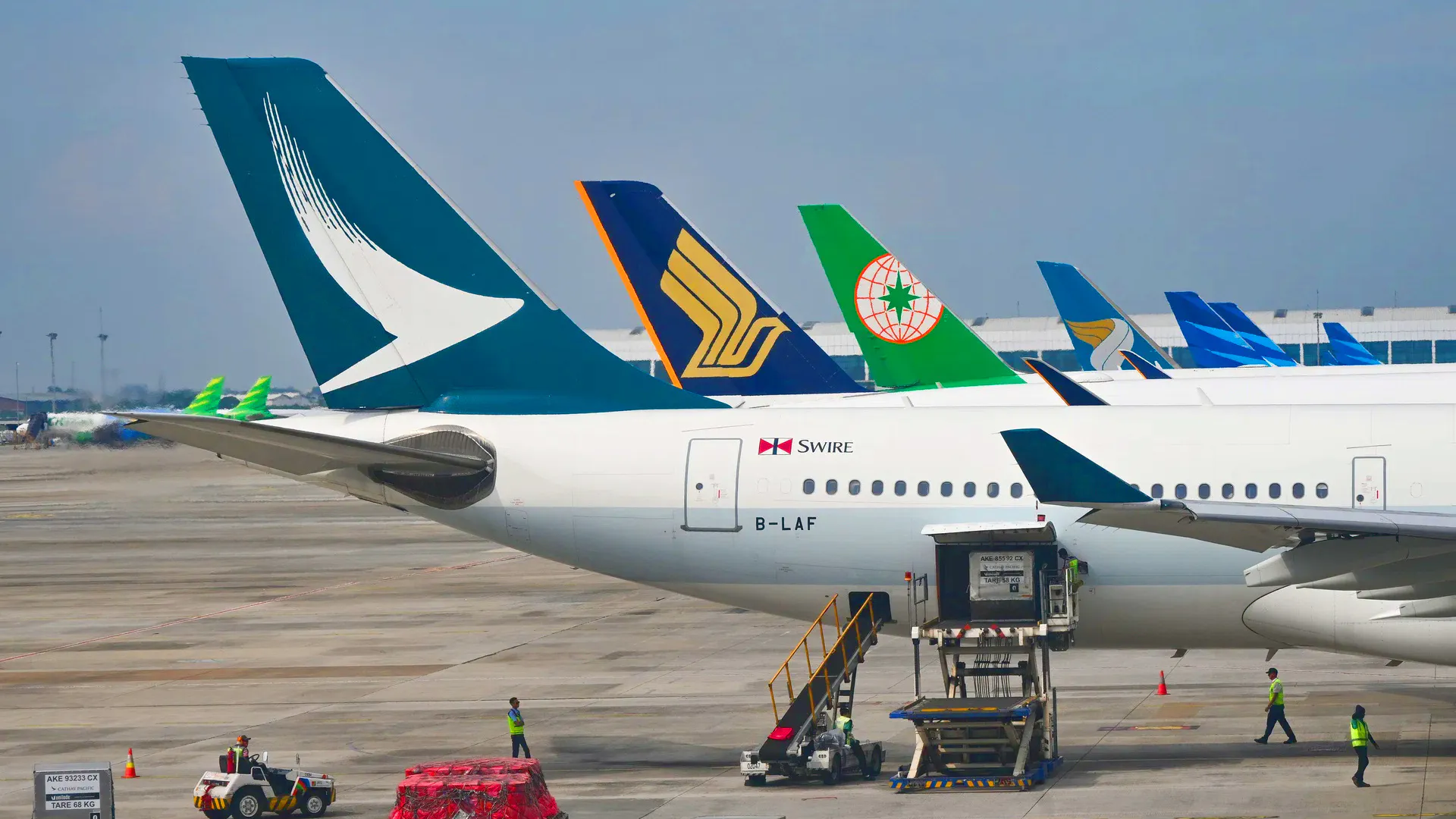
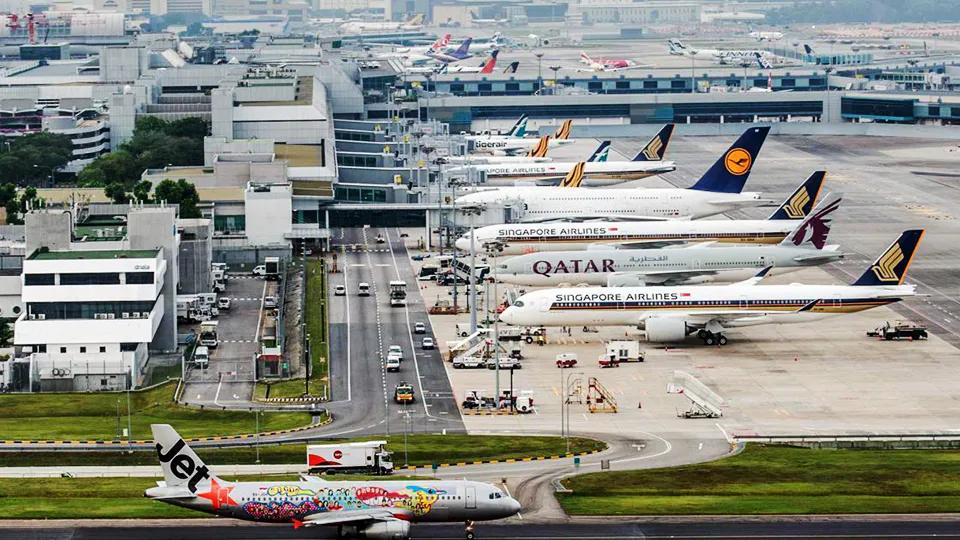
Dhaka: Airlines across Asia Pacific posted a combined net profit of USD 12.1 billion in 2025, lifted by steady traveler demand and softer fuel prices, even as the region heads into a considerably rougher 2026.
Preliminary figures released by the Association of Asia Pacific Airlines (AAPA) showed the region's 27 member carriers grew aggregated operating revenue by 4.3% to USD 223.7 billion last year, up from USD 214.5 billion in 2024.
The 2025 profit figure marks a sharp improvement over the USD 7.2 billion recorded the previous year.
Operating costs still climbed 4.3% to USD 209.4 billion, showing that much of the improved bottom line stemmed from cheaper oil rather than broader easing of cost pressures.
Passenger demand fuels growth
Passenger revenue increased 4.7% to USD 178.4 billion, with systemwide demand, measured in revenue passenger kilometers, rising 7.7% for the year.
Both long-haul and intra-regional routes remained busy, though yields fell 2.8% to 7.8 US cents per RPK, indicating capacity expanded faster than fares could match.
Cargo followed a similar pattern. Revenue rose 1.4% to USD 23.6 billion on a 3.5% increase in freight tonne kilometers, partly driven by shippers moving goods early ahead of anticipated tariff hikes.
Cargo yields dropped 2.0% to 32.1 US cents per FTK amid softening freight rates.
Cheaper fuel cushions costs
Non-fuel costs surged 7.8% to USD 151.1 billion, with staffing, aircraft leasing, maintenance, and airport charges all rising amid continued supply chain disruption.
Fuel expenditure, by contrast, fell 3.7% to USD 58.3 billion, as jet fuel averaged USD 88.8 a barrel through the year, 9.5% lower than in 2024.
That decline brought fuel's share of total operating costs down to 27.8%, from 30.1% a year earlier. Combined, the region's carriers maintained operating margins at 6.4%.
AAPA Director General Wong Hong said the region's airlines entered 2025 from a position of strength, with firm passenger and cargo demand sustaining profitable growth despite inflation and supply chain pressure on non-fuel costs.
Outlook darkens for 2026
Wong noted that the operating environment had already deteriorated by the time the figures were released in mid-July, citing the Middle East conflict and broader geopolitical tensions as continuing sources of volatility in oil and currency markets.
He added that fuel costs, airlines' largest single expense, were expected to climb further this year.
That warning has already materialized industry-wide. The International Air Transport Association (IATA) halved its 2026 global profit forecast to USD 23 billion in June, down from an earlier USD 41 billion projection, after jet fuel prices jumped nearly 70% following disruption tied to the Iran conflict.
IATA expects fuel to make up 31.4% of airline operating costs this year.
Several carriers in the region have already raised fuel surcharges in response, including ANA and JAL, which set record-high fees for July and August. Fares across the region appear unlikely to ease this year.
In the United States, Delta has indicated that even as fuel prices retreat from their peak, fares shaped by this year's higher cost base may not decline in step.
Wong said the region's economy is still projected to grow 4.4% in 2026, citing April figures from the International Monetary Fund, with passenger and cargo markets remaining broadly stable.
He added that Asia Pacific carriers continue expanding their networks and service offerings while keeping costs under control.