

Canva pitches nationwide contest to rebrand PIA

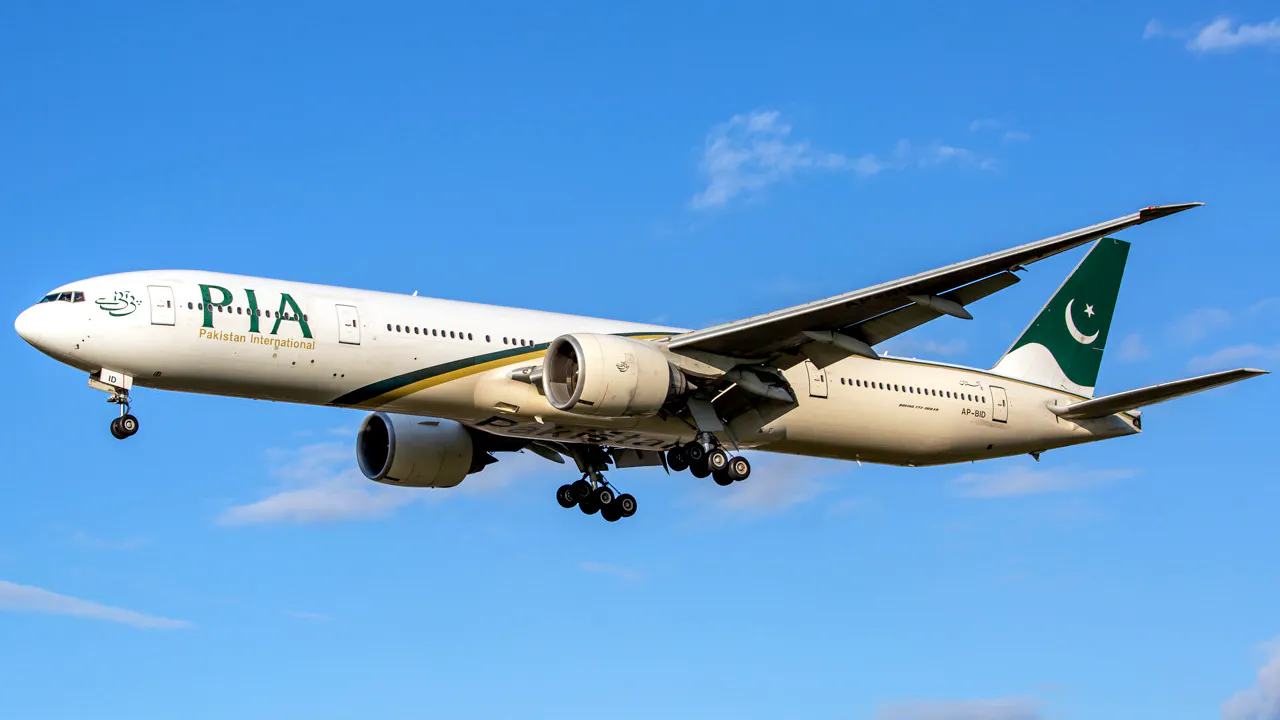
Dhaka: Design platform Canva has offered to organize and fund a nationwide competition in Pakistan to help rebrand Pakistan International Airlines (PIA) following its recent change in ownership.
Canva's General Manager for the Middle East, North Africa, Afghanistan, and Pakistan, Ahmed Iqbal, outlined the proposal in a LinkedIn post on July 20, saying the company wants to engage PIA's leadership on the idea.
According to Iqbal, the initiative would cover a new logo, brand guidelines, aircraft livery, and a relaunch marketing campaign for the airline. He described it as a chance to help restore public confidence in the national carrier.
Calling it a project "designed by Pakistanis, for Pakistan," Iqbal said Canva was ready to commit significant prize money for the contest.
He pointed to PIA's history as a pioneer of regional aviation and said the airline was entering a new phase in 2026, adding that public involvement in its rebrand could help revive the country's design traditions.
Canva is a web-based design tool that lets users produce graphics, presentations, and other visual material without professional design skills.
Iqbal shared two images of PIA aircraft carrying elaborate liveries inspired by Ajrak patterns, noting the artwork was created by a non-designer using Canva and Affinity, a professional creative suite owned by Canva. "Imagine what a whole country could do," he wrote.
The post triggered discussion among LinkedIn users. Some questioned whether such detailed liveries were practical, warning that heavier paint coverage could add weight and raise operating costs.
Others noted that darker shades tend to absorb more heat, which could push up cooling requirements for the aircraft.
Still, several commenters supported the idea, saying it could channel growing cultural revival in Pakistan and give young designers a platform to showcase local art and heritage.
Some pointed out that most airlines keep their aircraft predominantly white for reasons tied to maintenance, temperature control, and lifecycle costs and argued that any new design should weigh aesthetics against operational practicality.